Self-Publishing a Poetry Book: What Changes From Editing to Layout
The journey from editing to layout is one of the most significant transitions in self-publishing a poetry book. This movement marks the shift from refining your language and poetic structure to visually crafting how readers will experience each poem on the printed page and digital platforms. While editing focuses on the content, clarity, and intent of your work, the layout phase transforms those words into a visually compelling book that honors the unique nature of poetry. Understanding each phase, their differences, and how they work together is vital for any poet aspiring to self-publish professionally.
Definition: Editing vs. Layout in Poetry Self-Publishing
Editing in poetry involves reviewing, revising, and perfecting your poems for grammar, style, consistency, and emotional impact. This process ensures your voice remains intact while also meeting the expectations of literary readers and the standards of the publishing industry.
Layout is the process of formatting your approved manuscript for print and digital publication. This includes decisions about page structure, fonts, spacing, margins, and the integration of visual elements – all essential for presenting poetry in a way that enhances its rhythm, flow, and meaning.
Step-By-Step: From Editing to Layout
1. Manuscript Preparation and Self-Editing
It all begins with your raw manuscript. Effective self-editing is the first barrier to quality, and for poets, this means reading aloud, analyzing line breaks, controlling white space, and making conscious decisions about punctuation and form. Each poem should be considered individually and within the context of the full collection. Many authors find it helpful to organize poems by theme or narrative arc, further enhancing the reader's experience.
2. Professional Editing and Author Review
When you work with Page Publishing, a dedicated publication coordinator guides you through professional copy editing. Editors with expertise in poetry apply the Chicago Manual of Style, correcting grammar, structure, and inconsistencies without diluting your unique tone. All edits are tracked for your review, and you remain in control at every step.
Here, feedback isn't just about fixing errors – it addresses poem sequencing, title page, dedications, acknowledgments, and the presence of any introductory or closing essays. Expect a collaborative, iterative process: editor suggestions, your revisions, final review, and approval before the manuscript proceeds.

3. Transitioning to Layout: What Changes
After editing is finalized and approved, the process pivots to layout. This is where the text takes physical shape in preparation for print and eBook conversion.
- File Format: You’ll submit your approved manuscript, ideally as a Microsoft Word file, with all images and special layout notes clearly marked.
- Visual Planning: The artistic team at Page Publishing reviews your work, discusses preferences for trim size (often 5x8 inches for poetry), font styles, margin width, line spacing, and white space, differentiating the look of poetry from prose.
- Proofing and Mockups: You'll receive layout proofs—test versions of the interior pages. These allow you to see your poems in book form, checking how line breaks and stanzas appear, if each poem starts on a suitable page, and how images and chapter breaks function visually.

The Core Differences Between Editing and Layout for Poetry
| Aspect | Editing | Layout |
|---|---|---|
| Focus | Language, meaning, rhythm, theme, grammar | Presentation, typography, white space, visual experience |
| Control | Author-driven with editor collaboration | Collaborative, author and designer together |
| Tools | Word processor (Word), tracked changes | Professional layout software (e.g., InDesign) |
| Iteration | Manuscript revisions, approval required before moving on | Multiple rounds of proofing, author approves final look |
| Objective | Perfect the content and literary quality | Maximize readability, visual harmony, and appeal |
Key Best Practices for Each Stage
During Editing:
- Protect your poetic voice—let editors know your non-negotiable stylistic elements.
- Use fresh eyes: take time away from your manuscript between rounds.
- Rely on professional editors familiar with poetry to spot subtle thematics and common pitfalls.
During Layout:
- Choose font and trim size to suit your style. Many poets prefer slightly larger margins and generous line spacing.
- Favor one poem per page, even for shorter works, to emphasize each piece.
- Request PDF proofs and check every line break on multiple devices or in printouts if possible.
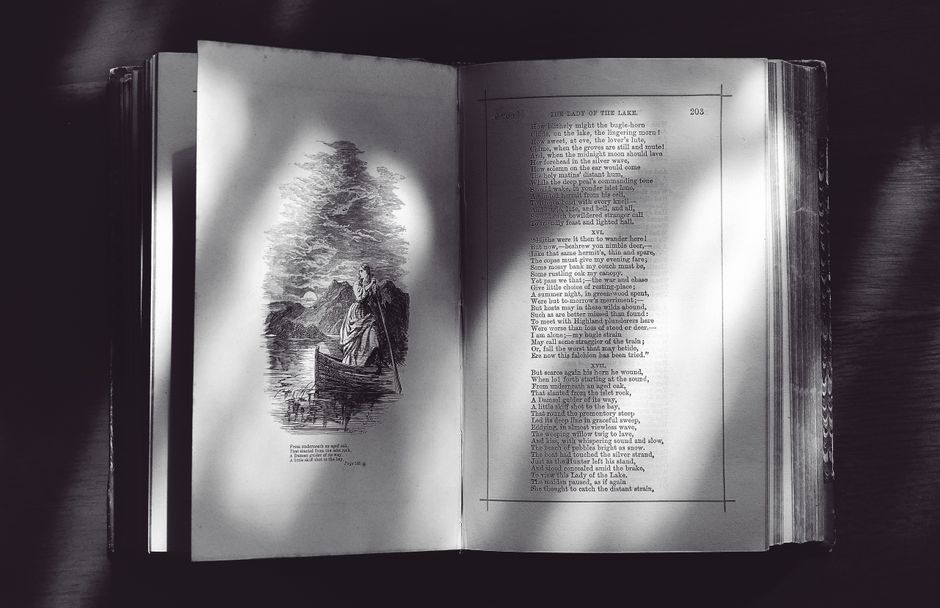
- Be mindful with images—illustrations can enhance the mood but should not overpower the poem itself.
How Page Publishing Supports the Editing-to-Layout Transition
With Page Publishing as your publishing partner, each stage is handled by dedicated professionals who specialize in poetry collections. Our team manages copy editing, custom design, trim size optimization, and the technical side of converting your poetry into print-ready and eBook formats. We use premium paper and perfect binding, ensuring your poems feel as beautiful to hold as they are to read. All of this is coordinated through a single point of contact, making the transition smooth and stress-free for the author.
Our authors' testimonials highlight the value of this approach. Many poets mention how their publication coordinators helped translate their creative vision into professional, tangible books, removing the guesswork and maintaining the integrity of their poetry from first draft to final product.
Timeline: Typical Editing to Layout Pathway
- Weeks 1-6: Self-edit, gather feedback, and submit your manuscript.
- Weeks 7-12: Collaborate with editors at Page Publishing, approve revisions.
- Weeks 13-18: Layout and design, review proofs, make last tweaks.
- Week 19 onward: Final approval, printing, and eBook conversion; distribution setup.
Every workflow is unique, but a 6-10 month timeframe is standard from first draft to distribution.
Additional Resources: For a Deeper Dive
- If you are curious about preparing your manuscript beforehand, read How to Format a Manuscript in Microsoft Word Before You Submit It
- Choosing a trim size matters for poetry as it shapes readability: see What Book Trim Size Should You Choose?
- For insight into cost considerations, analyze How Much Does It Cost to Self-Publish a Book Professionally?
Best Practices for Poets Ready to Publish
- Maintain creative control by working closely with your editorial and design team.
- Don’t rush through layout approvals—final checks often reveal last-minute details.
- Think about your audience and adjust font size, white space, and visual cues to maximize the impact of your poetry.
- Explore all formats, including audiobooks and eBooks, but ensure your primary print design is solid first.
- Use your author webpage and personalized press materials included in Page Publishing packages to boost visibility once your book launches.
FAQ: Editing to Layout for Poetry Self-Publishing
What’s the most important difference between editing and layout for a poetry book?
Editing refines the poems for clarity, rhythm, and intention. Layout determines how the reader experiences those poems visually on the page, with a focus on spacing, alignment, and presentation style.
How much control do I have over my poetry collection’s design and layout?
With Page Publishing, you are involved at every stage. You review and approve edits, interior designs, proofs, and more. Your preferences guide the process, but you receive expert recommendations on best practices.
Do I need special formatting for poetry compared to prose?
Yes. Poetry usually benefits from larger margins, more white space, and special attention to line breaks and stanza separation, all of which are implemented during the layout phase.
Can I include illustrations or photos in my poetry book?
Definitely, though we recommend using them sparingly. Our artists at Page Publishing can help incorporate imagery that complements the poetry without overwhelming it.
What file formats should I submit for editing and layout?
Microsoft Word is preferred, as it offers the highest compatibility and allows tracked changes. Images should be high-resolution and clearly identified within the manuscript.
How long does the full process take?
Most full-length poetry collections are published with Page Publishing in 6-10 months from initial submission to book-in-hand.
How can I learn more or get started?
Visit Page Publishing for a free Writer’s Guide, information about our packages, and personalized help from an experienced coordinator.
Conclusion: Publishing Poetry with Confidence
Self-publishing a poetry book with professional results requires distinct attention to both the editing and layout phases. Editing shapes the soul of your collection, while layout gives it a tangible, visual form that readers can truly immerse themselves in. By partnering with an experienced, full-service team like Page Publishing, you gain the support, expertise, and personal guidance needed to confidently navigate every stage and see your poetry presented exactly the way you envision.
If you are ready to transform your verses into a beautifully published book, download the free Writer’s Guide or learn more about our comprehensive publishing services at Page Publishing. We’re here to help every poet—from manuscript to finished masterpiece.